
As respiratory virus season begins across Canada, it’s a good time to get informed about what protection options are available—especially if you or a loved one is immunocompromised. While respiratory syncytial virus (RSV) can cause serious illness in people with weakened immune systems, staying aware of the latest guidance and vaccine updates can help you make confident decisions about your health this season.
RSV Protection for Babies
What starts as a cough or runny nose can quickly become serious for some infants. RSV is the leading cause of hospital visits in Canada for babies with lung infections, and it can be especially dangerous for infants who are premature, immunocompromised, or living with underlying health conditions.
In Canada, families have two options to help protect babies during their first RSV season. Both options help to lower the risk of severe illness from RSV:
- RSV immunization for babies: Babies can receive RSV immunization—called nirsevimab (Beyfortus)—either shortly after birth or at the start of RSV season. It may also be offered to babies up to 24 months old, who are at a higher risk of severe illness, such as those born prematurely or with certain medical conditions.
- RSV vaccine for pregnant mothers: During RSV season, pregnant mothers can receive an RSV vaccine—called RSVpreF (ABRYSVO)—between 32 and 36 weeks of pregnancy.
It’s important to note that protection options vary by province. Talk to your healthcare provider to learn more. You can also visit the RSV Information Hub for province-specific information and resources.

RSV Protection for Adults
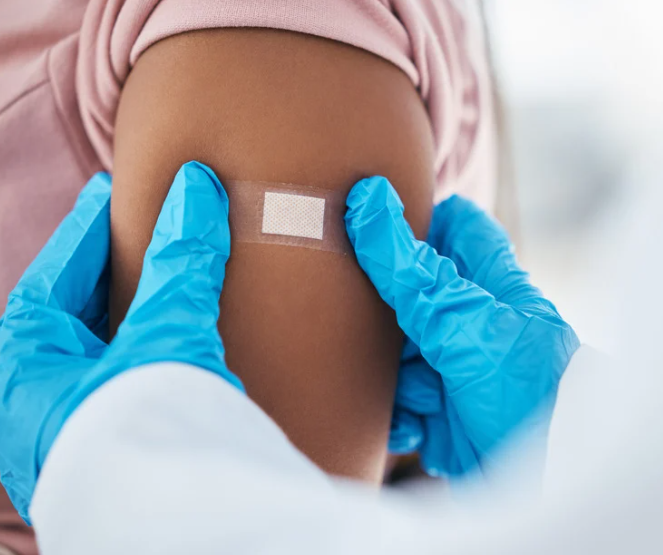
While RSV is often associated with children, it can also cause serious illness in adults—particularly for older adults and for those who are immunocompromised or have chronic health conditions.
In Canada, adults have access to RSV vaccination—RSVpreF (ABRYSVO)—to help lower the risk of severe illness and complications from the virus. The most recent recommendations by the National Advisory Committee on Immunization (NACI) include RSV vaccination for:
- Adults aged 75 years and older, particularly those at increased risk of severe RSV disease.
- Adults aged 60 years and older who live in long-term care or other group settings.
- Adults aged 50 to 74 years may also be considered as an individual decision in consultation with a healthcare provider.
As recommendations and protection options continue to evolve, the best way to stay protected is to talk with your healthcare provider about the latest RSV vaccine options and what’s right for you.
Talk to a health Care provider
If you are immunocompromised—or care for someone who is—talk to a healthcare provider about RSV. Ask about RSV protection options available in your area, and what your next steps should be to stay protected this RSV season.